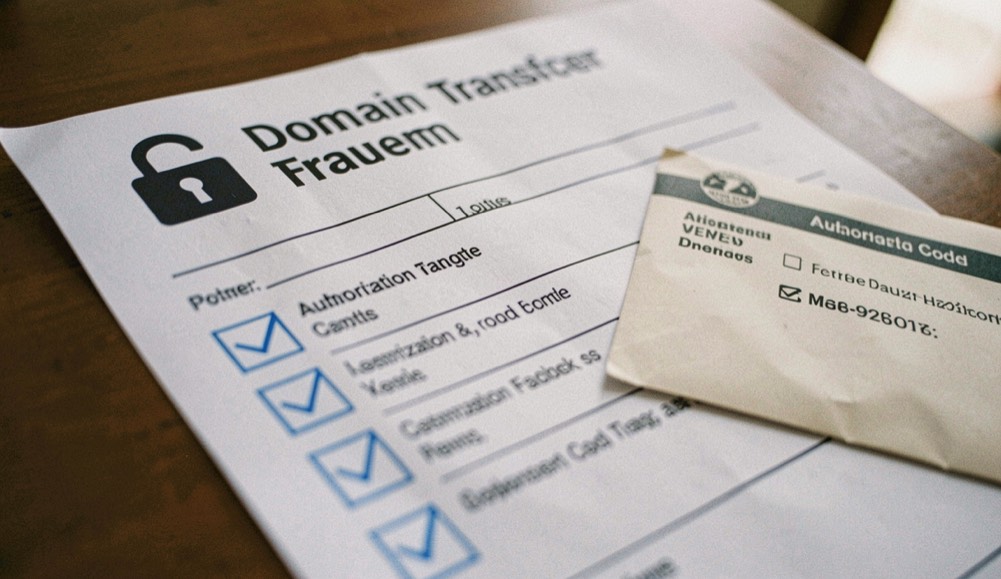
A domain renewal is an operational deadline, not a line item
A plain-language route through auto-renew, expiration, grace periods and the records that prove who can act.
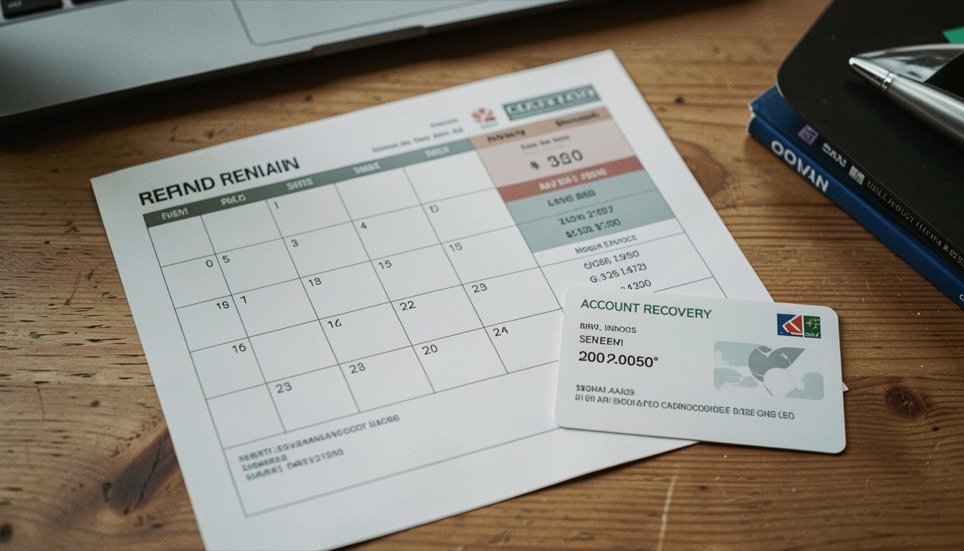
A domain renewal is an operational deadline, not a line item begins with a practical question: how can a reader inspect renewal timing and account control without confusing a provider promise with a field observation?
Method for this question
Treat renewal as a control-path exercise. Begin with the registrar account that can change the domain, then compare the public expiration date with the registrar's billing record and the organization’s own asset register. Record the time zone, renewal term, payment method, notification addresses and the person who can recover the account. For a portfolio, make one row per domain rather than assuming every name shares a policy. A useful test is to confirm that an authorized colleague can find the domain, see the renewal state and explain what happens if the payment method is declined. Do not edit production settings during this inventory.
What to record
- registrar and account owner
- expiration date and auto-renew state
- payment path and recovery contact
- grace or redemption language in the agreement
When a renewal looks uncertain, separate four clocks: the stated expiration, the registrar's auto-renew attempt, the post-expiration grace treatment and the redemption or restore path. Ask support for the applicable policy in writing and save the answer with the domain record. Check whether a recent registrant change, transfer or payment dispute creates a separate hold. A calendar reminder should land before the earliest action date, not on the expiration date itself. In a shell or spreadsheet, flag domains with no second contact, no tested payment path or an expiration inside the next two billing cycles.
Keep the observation, the interpretation and the recommendation in separate sentences.
A realistic failure pattern
Imagine a small agency holding twelve client domains. Eleven renew normally, but one card was replaced and the account email belongs to a former contractor. The site still works, so the problem is invisible until the renewal attempt fails. The operator should first recover the registrar account through its documented process, verify the domain and nameservers, then renew for the intended term and capture the receipt. Afterward, test the website, mail and DNS delegation. The measurement is not merely paid or unpaid: it is whether ownership, payment, notification and service continuity all have evidence.
Errors and boundaries
The common mistake is treating a renewal receipt as proof that the whole service is safe. A domain can renew while its nameservers point to an abandoned provider, its DNSSEC delegation is stale or its mailbox recovery address is inaccessible. Another error is bulk-renewing without checking whether a client still owns or needs a name. Keep the registrar agreement and policy date with the record. Grace periods, fees and notification rules differ by registrar and extension, so this guide cannot predict a universal last safe moment. The boundary also runs in the other direction: a renewed domain and a healthy website do not reveal where enterprise systems live, so the asset register should keep internal landscapes as a separate record.
Renewal records answer who may act on a domain, but they say little about what a site then publishes about its owner. That question sits next to this one: a personal site is a verifiable record of identity, activity and contact details, and the practical pages, such as a German Impressum, often carry more weight than the visible content. The linked page describes what one German-language example puts on the page, how a reader can check identity and activity, and what such a site does not tell you. Read it after this one if disclosure rules matter to your setup.
What this does not prove
A renewal reminder is not proof that the payment will succeed. The registrar agreement controls the actual dates and fees.
The Domain Host USA desk uses the documented fact, field observation, provider statement and editorial recommendation labels so readers can see what kind of sentence they are reading.
This note connects to the Infrastructure Field Desk, where the sample method and dated observations remain visible. Continue through Domains & Registrars for related decisions rather than treating one check as a complete review.