A deliverability baseline starts with the domain and the list
What to record before blaming a provider: authentication, consent, bounce behavior, sending pattern and mailbox evidence.
A deliverability baseline starts with the domain and the list begins with a practical question: how can a reader inspect baseline signals before troubleshooting without confusing a provider promise with a field observation?
Method for this question
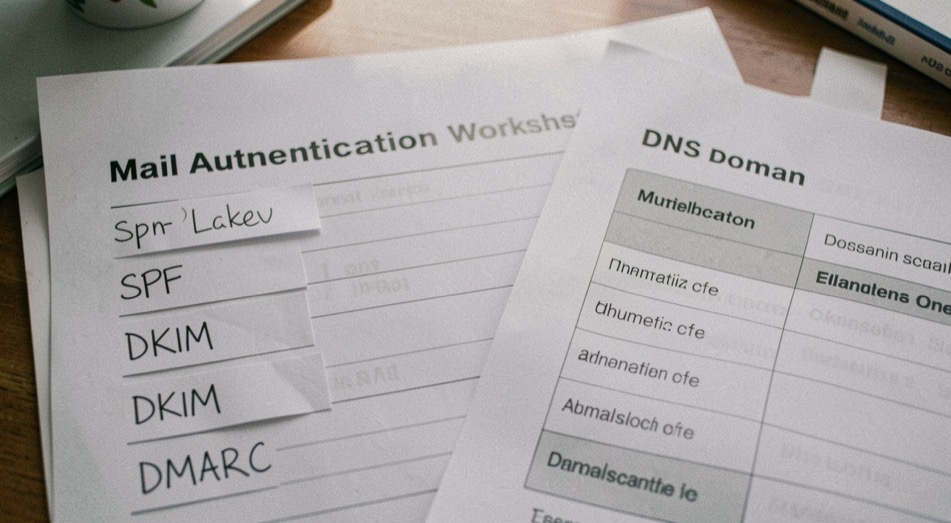
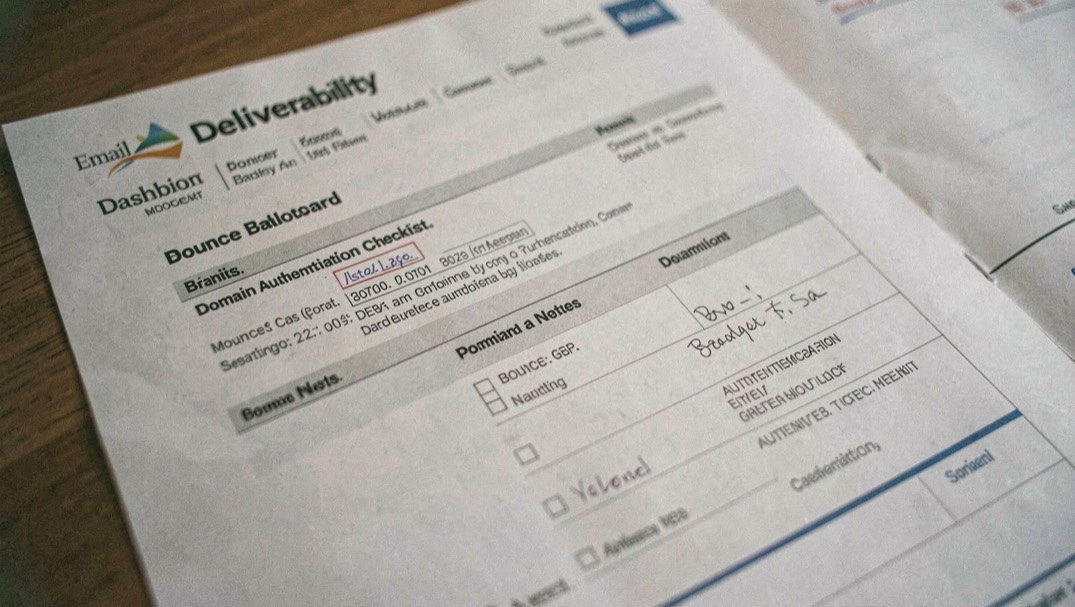
Create a baseline from the domain, list and sending identity. Record SPF, DKIM, DMARC, reverse DNS where applicable, From and return-path domains, volume by stream, consent source, unsubscribe behavior, hard-bounce rate, complaint signals and the mailbox providers receiving the mail. Separate transactional, marketing and personal correspondence. Capture headers from a delivered message and from a failed message. A baseline should cover enough sends to show a pattern, but it should not justify mailing people who did not consent simply to obtain a larger sample.
What to record
- domain authentication and alignment
- list source and unsubscribe path
- hard bounce and complaint rate
- message volume and sending identity
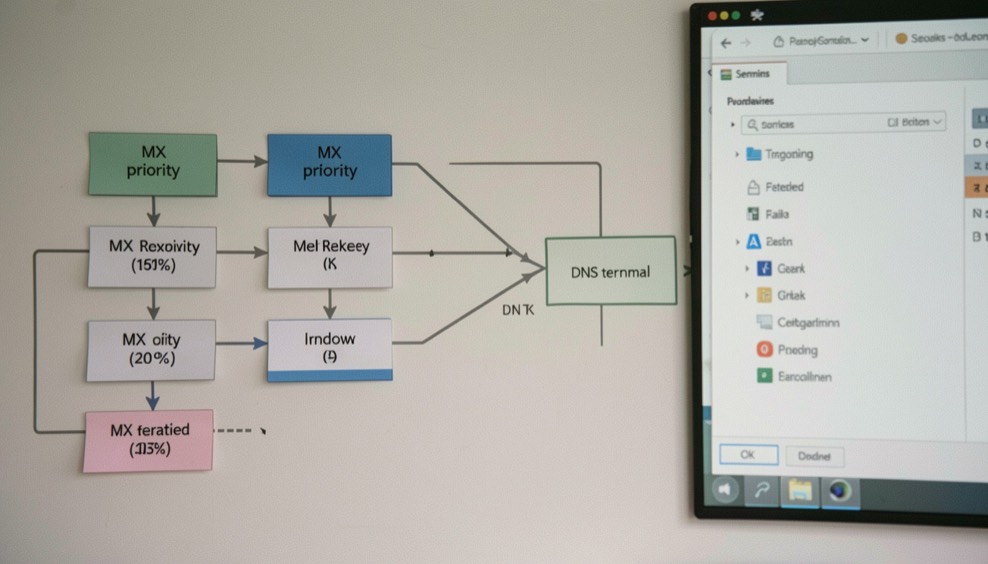
When delivery falls, compare the date of the change with authentication, volume, content, list acquisition and provider feedback. Inspect SMTP response codes and headers, then group failures by mailbox provider and sending stream. A rising hard-bounce rate points to list hygiene, while authentication failures point to DNS or identity alignment. A sudden volume spike may trigger throttling even when DNS is correct. Pause a damaged stream, preserve evidence and repair the narrowest cause first; changing domain, provider and content simultaneously erases the comparison.
Keep the observation, the interpretation and the recommendation in separate sentences.
A realistic failure pattern
A service sends password resets reliably but its monthly newsletter lands in spam. The streams use different From addresses and DKIM selectors, and the newsletter list contains old imported contacts. The baseline shows authentication passing, but complaints and hard bounces are concentrated in the marketing stream. The practical response is to suppress invalid and disengaged addresses, confirm unsubscribe handling, warm volume gradually and monitor provider feedback. Moving all mail to a new domain would hide the reputation problem and could damage a second identity.
Errors and boundaries
A green SPF, DKIM or DMARC result does not guarantee an inbox placement. Purchased lists, unclear consent, misleading subjects, high complaint rates and sudden volume can still cause filtering. Do not use open rates as the only delivery measurement because tracking can be blocked or cached. Keep local records of consent and suppression, follow the receiving provider’s rules and avoid sending private customer data to an unverified diagnostic service. The baseline is a troubleshooting instrument, not a promise of delivery.
A deliverability baseline records what you can observe about your own sending: authentication, consent, bounce behavior, sending pattern and mailbox evidence. The same discipline of documenting what is actually there, rather than what you hope is there, applies to how a kennel presents itself and filters demand. the proof behind the price examines positioning, reputation and a qualification grid for puppy applications. Both pages share one habit: write down the observable facts first, then decide what they mean.
What this does not prove
A green authentication check does not make a purchased or stale list safe to mail.
The Domain Host USA desk uses the documented fact, field observation, provider statement and editorial recommendation labels so readers can see what kind of sentence they are reading.
This note connects to the Infrastructure Field Desk, where the sample method and dated observations remain visible. Continue through Email & Deliverability for related decisions rather than treating one check as a complete review.