SPF, DKIM and DMARC answer different mail questions
A practical map of sender authorization, message signing and policy reporting, without promising inbox placement.
SPF, DKIM and DMARC answer different mail questions begins with a practical question: how can a reader inspect authentication roles and alignment without confusing a provider promise with a field observation?
Method for this question
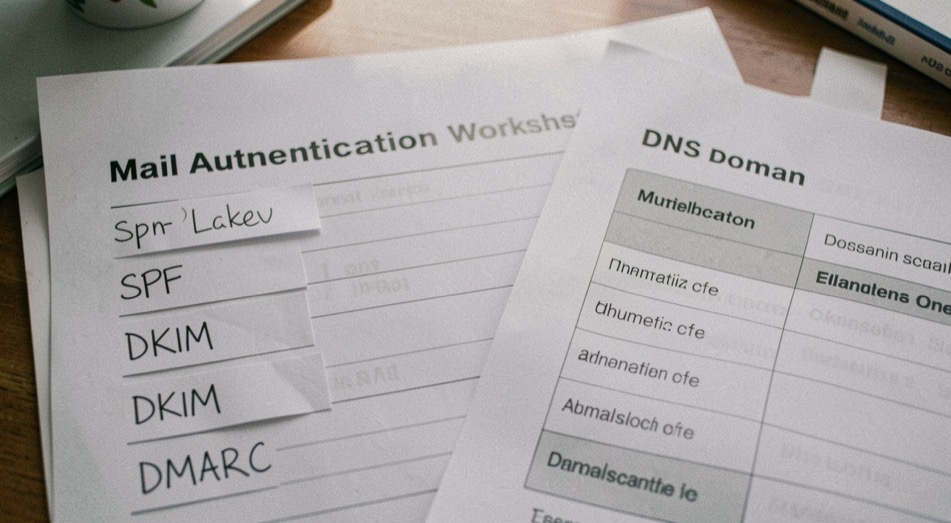
Separate the three controls before editing DNS. SPF describes which sending systems a domain authorizes, DKIM signs selected messages with a private key and DMARC evaluates alignment while publishing a policy and reporting destination. List every legitimate sender, including newsletters, ticketing, invoices, forms and marketing automation. Inspect each sender’s From domain, return-path and DKIM d= domain. Build SPF from sources rather than copying vendor fragments blindly, publish DKIM through the sender’s documented selector and start DMARC with a monitoring policy when the inventory is incomplete.
What to record
- authorized sending sources in SPF
- cryptographic message signing in DKIM
- domain alignment and policy in DMARC
- aggregate and forensic reporting choices
For a rejected message, inspect the full headers, not only a dashboard badge. Record SPF result and identity, DKIM result and d= domain, DMARC alignment, sending IP, envelope-from and the recipient’s rejection text. Check DNS from a public recursive resolver and confirm that SPF has not exceeded lookup limits or been split into invalid multiple records. For DKIM, verify the selector TXT and key length expected by the provider. Aggregate DMARC reports show patterns over time, while a single message explains one route.
Keep the observation, the interpretation and the recommendation in separate sentences.
A realistic failure pattern
A company moves its newsletter platform and keeps the visible From address at the company domain. SPF passes for the vendor’s envelope domain, but DKIM signs with the vendor domain and DMARC alignment fails. The fix is not to add every vendor IP to SPF; it is to configure a company-aligned DKIM selector or aligned return path, then test a real message and watch reports. Transactional mail and employee mail must be inventoried separately because their failure costs and sending identities differ.
Errors and boundaries
Authentication is not inbox placement. A message can pass SPF and DKIM yet be throttled for reputation, content, complaint rate or recipient policy. Avoid multiple SPF TXT records, uncontrolled include chains and a DMARC reject policy before legitimate senders are known. Do not publish a private DKIM key or treat a vendor’s setup wizard as permanent documentation. Google’s sender guidance is a useful current reference, but mailbox providers differ and DNS changes still depend on resolver caching.
SPF, DKIM and DMARC answer different mail questions, and none of them says who is behind an address. A domain can pass every check and still belong to someone whose identity, activity and contact details are published nowhere. That gap is worth closing on the web side. A personal site is a verifiable record of identity, activity and contact details, and its contact and privacy pages show what one German-language example actually puts on the page, and what a reader can and cannot confirm from it.
What this does not prove
Authentication can establish policy signals, but reputation, content, recipient behavior and provider policy still affect delivery.
The Domain Host USA desk uses the documented fact, field observation, provider statement and editorial recommendation labels so readers can see what kind of sentence they are reading.
This note connects to the Infrastructure Field Desk, where the sample method and dated observations remain visible. Continue through Email & Deliverability for related decisions rather than treating one check as a complete review.