TLS renewal is a dependency chain, not a calendar reminder
The hostname, validation method, certificate store, deployment path and expiry alert that belong in one runbook.
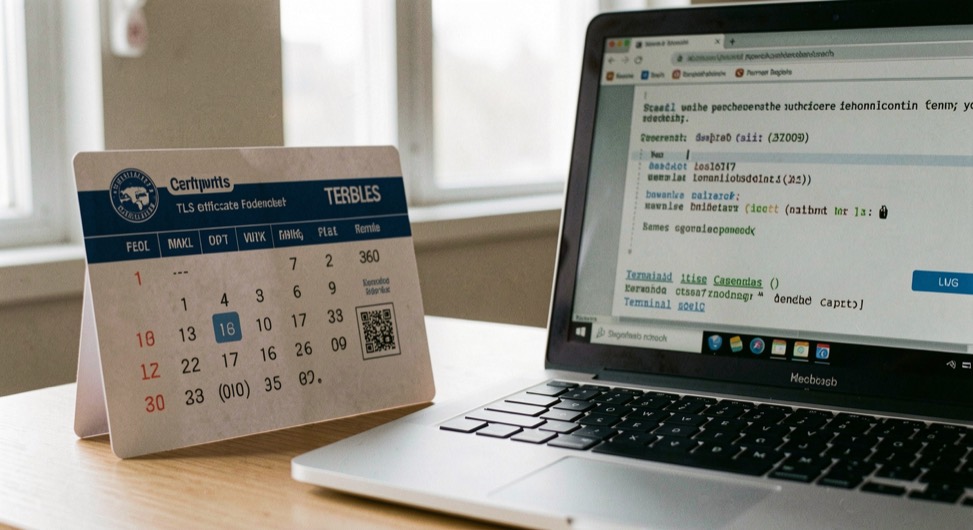
TLS renewal is a dependency chain, not a calendar reminder begins with a practical question: how can a reader inspect certificate lifecycle and deployment without confusing a provider promise with a field observation?
Method for this question
Inventory TLS by hostname and serving layer. Record every public name, certificate subject and SAN, issuing CA, validation method, private-key owner, renewal job, edge or origin deployment path and expiry alert. Test both the primary hostname and redirects, plus IPv4 and IPv6 when they differ. For automated certificates, confirm that the ACME challenge can reach the intended endpoint and that the renewal process has permission to reload the service. Store the runbook with the certificate’s deployment owner, not only in a provider dashboard.
What to record
- names covered by the certificate
- ACME validation route
- renewal job and permissions
- deployment and expiry alert
An expiry alert is late evidence. Check the certificate currently served by the public edge, its chain, hostname coverage, protocol and negotiated certificate after every renewal. If renewal fails, inspect challenge DNS or HTTP routing, rate-limit messages, filesystem permissions, service reload logs and whether a CDN or load balancer is serving an older certificate. Test a staging or alternate name with the same automation before a production change. A renewed file on disk is irrelevant until the process serving the connection has loaded it.
Keep the observation, the interpretation and the recommendation in separate sentences.
A realistic failure pattern
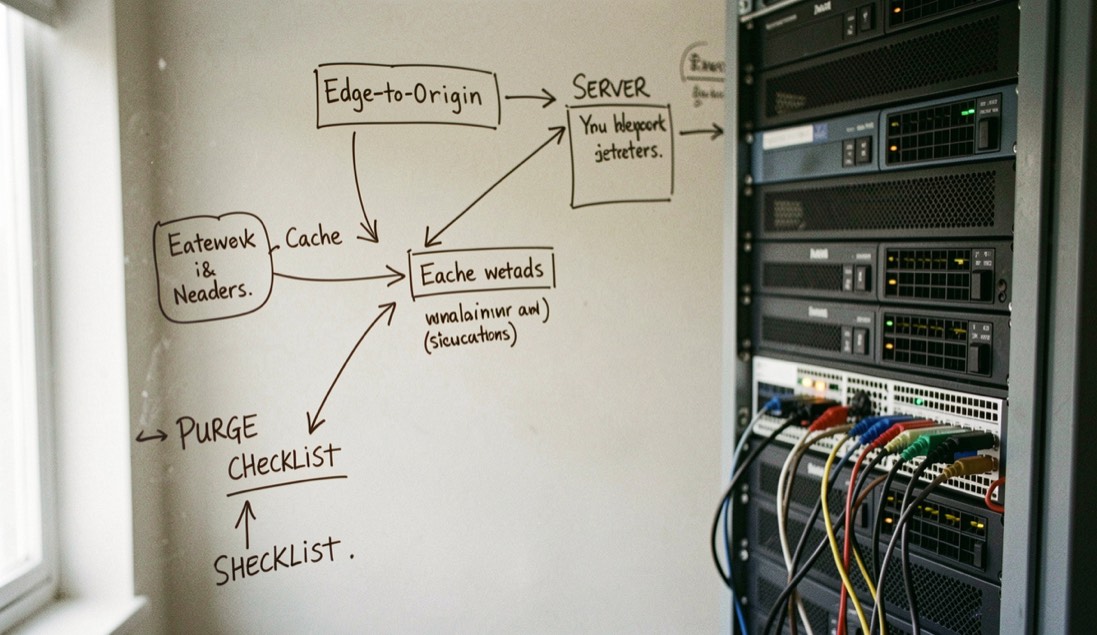
A site renews successfully on its origin but visitors still see an expired certificate because the CDN edge was not reloaded. The runbook should identify both certificates and the deployment trigger, then check the public endpoint from outside the origin network. Another site uses HTTP validation while all port 80 traffic redirects through a security product that blocks the challenge. Switching to a documented DNS challenge or allowing the token path can solve the actual dependency. Keep a manual emergency certificate path but test automation first.
Errors and boundaries
TLS encrypts and authenticates a connection; it does not patch WordPress, secure a compromised origin or make mixed content safe. A certificate can be valid for the wrong hostname, have an incomplete chain or be served only on one address family. Do not renew by hand without recording the replacement and reload path. Let’s Encrypt documentation explains renewal configuration, but CA limits, provider integrations and load-balancer behavior change. Alert before expiry and test the alert, not just the certificate command.
TLS renewal sits inside a wider dependency chain: a hostname, a validation method, a certificate store, a deployment path and an expiry alert that all belong in one runbook. The same logic applies to public digital identity, where a certificate or credential depends on registries, agencies and governance rules that are rarely visible from the outside. For a worked example of that chain, how Portugal governs the internet covers the Chave Movel Digital, the agencies behind it and the internet governance model, which is useful context when you map your own renewal dependencies.
What this does not prove
A renewed certificate in storage does not help until the serving edge or origin has loaded it.
The Domain Host USA desk uses the documented fact, field observation, provider statement and editorial recommendation labels so readers can see what kind of sentence they are reading.
This note connects to the Infrastructure Field Desk, where the sample method and dated observations remain visible. Continue through Security & Performance for related decisions rather than treating one check as a complete review.