The useful web security baseline is a set of small controls
An operator-friendly pass through updates, least privilege, headers, backups, logs and the origin boundary.
The useful web security baseline is a set of small controls begins with a practical question: how can a reader inspect baseline controls and evidence without confusing a provider promise with a field observation?
Method for this question
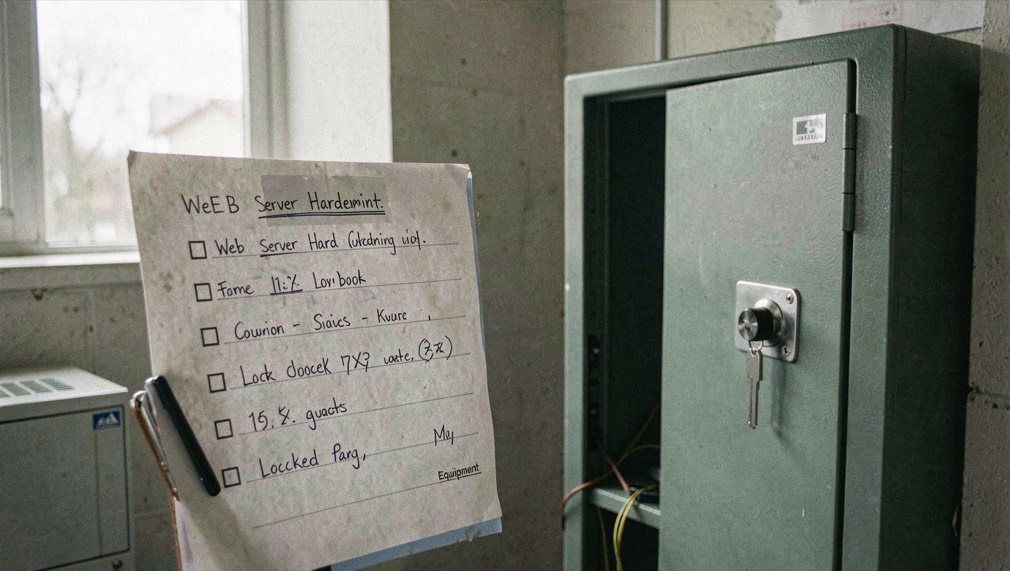
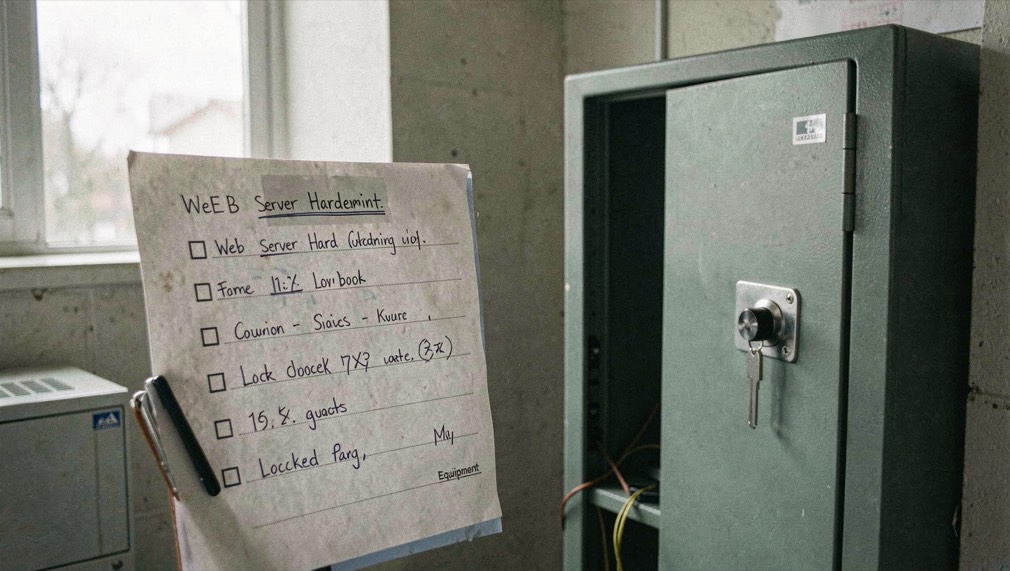
Start a baseline with an inventory of exposed services, operating-system support dates, web server and runtime versions, privileged accounts, SSH or control-panel paths, TLS settings, headers, logs, backups and the origin’s network boundary. Map each control to an owner and a review interval. Use a staging or maintenance window for changes, and keep a tested rollback. Security is stronger when evidence is specific: a patch timestamp, an MFA setting, a firewall rule, a restore result or a log alert is more useful than a badge saying hardened.
What to record
- supported software and patch window
- least-privilege accounts
- security headers and TLS posture
- logs, alerts and tested backups
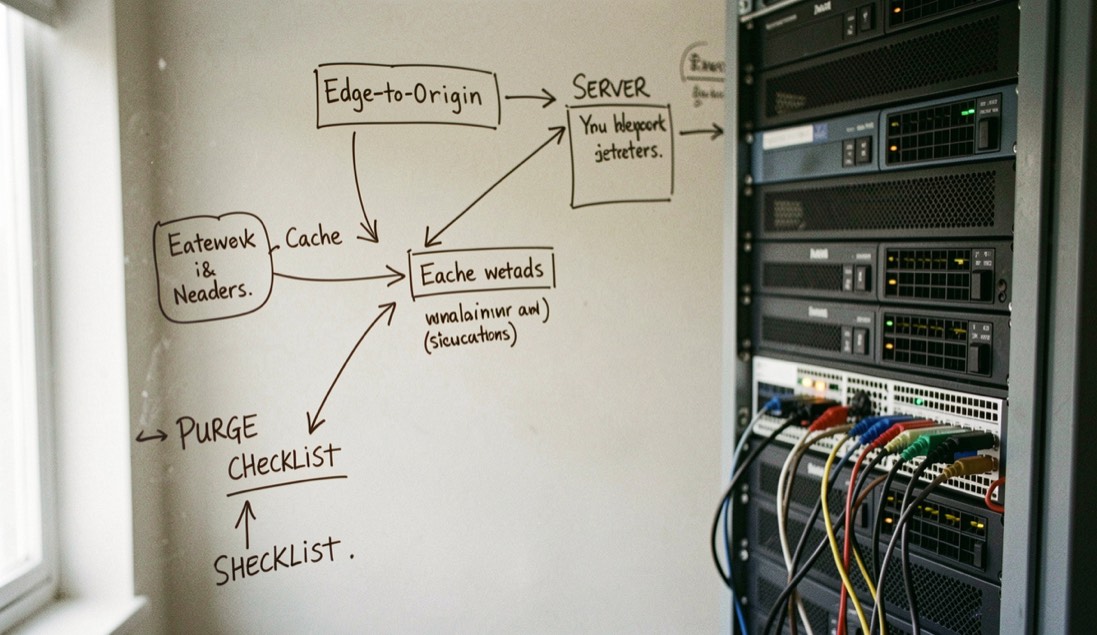
For a suspected exposure, separate internet reachability from application authorization. Enumerate intended ports, inspect response headers and certificate names, review recent authentication logs and look for unexpected processes or files. Confirm that backups cannot be fetched through the web root and that the origin is not directly reachable around a CDN policy. Patch supported software, remove unused accounts and rotate affected credentials, but preserve logs before cleanup. A vulnerability scan can find candidates; it does not prove exploitability or safe remediation without context.
Keep the observation, the interpretation and the recommendation in separate sentences.
A realistic failure pattern
A small business places WordPress behind a CDN but leaves the origin IP in an old DNS record. The site appears protected, yet an attacker can bypass edge rate limits and reach the login endpoint directly. The baseline catches the exposed origin, missing MFA on an administrator and backups in a public directory. The repair is to restrict origin access, move archives outside the web root, enforce MFA and verify that normal traffic still reaches the origin through the intended path. Recheck from outside the trusted network.
Errors and boundaries
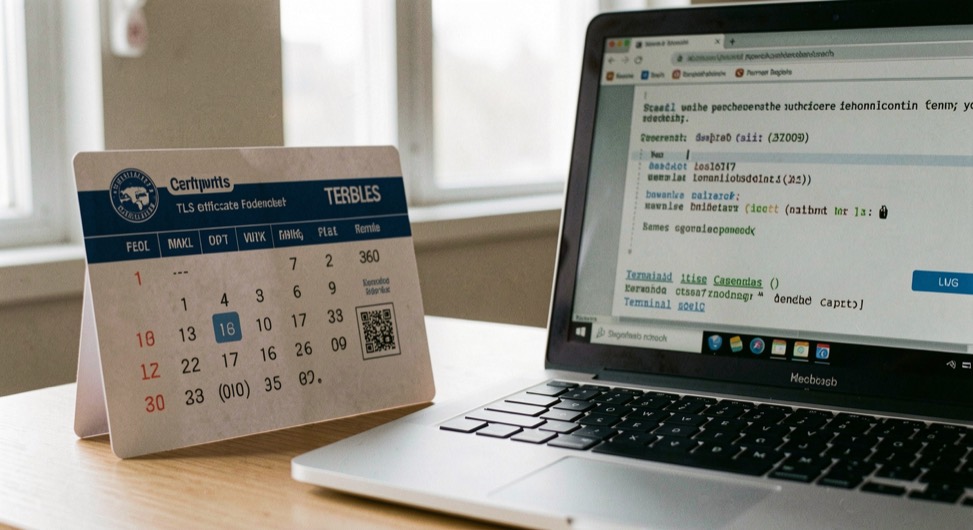
A security checklist is not a penetration test, incident-response plan or guarantee against compromise. Hiding a server banner does not replace patching, and adding headers cannot repair weak authentication. Do not run intrusive tests against a third-party host without authorization. Backups need access controls and restore drills; logs need retention and alert ownership. Provider hardening guides are useful but assume different operating systems and panels. Record the baseline date, exceptions and next review so a one-time clean result does not become permanent confidence.
A security baseline covers what an operator controls: updates, least privilege, headers, backups, logs and the origin boundary. Identity sits partly outside that boundary, which is why public digital identity schemes are worth reading as infrastructure rather than policy. Portugal's Chave Movel Digital is one such scheme, and a separate page explains what it is used for, which agencies built it and how internet governance works there, in plain English. That page names the agencies behind Portugal’s digital state and is a useful comparison point for anyone reasoning about authentication, trust and who holds the keys.
What this does not prove
A checklist reduces common exposure; it is not a penetration test or a guarantee against compromise.
The Domain Host USA desk uses the documented fact, field observation, provider statement and editorial recommendation labels so readers can see what kind of sentence they are reading.
This note connects to the Infrastructure Field Desk, where the sample method and dated observations remain visible. Continue through Security & Performance for related decisions rather than treating one check as a complete review.