Compare renewal prices before the promotion becomes the story
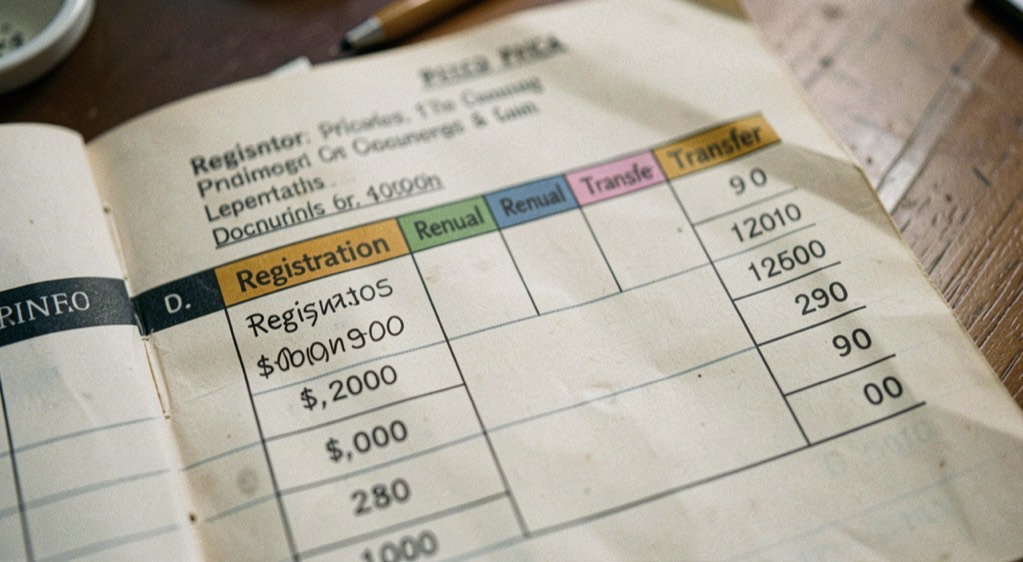
A dated price ledger that keeps registration, renewal, transfer, privacy and registry fees in separate columns.
Compare renewal prices before the promotion becomes the story begins with a practical question: how can a reader inspect price history and fair comparison without confusing a provider promise with a field observation?
Method for this question
Build a price ledger that separates registration, renewal, transfer, privacy, taxes, registry charges and restoration. Capture the currency, term, customer eligibility, promotion end date, source URL and observation date for every row. Compare the second-year cost before comparing the first-year headline. For a portfolio, include the number of names and extensions because a cheap .com does not answer the cost question for a mixed set. Save a source snapshot or note when a provider displays a price dynamically, then schedule a recheck rather than presenting a temporary figure as permanent.
What to record
- registration list price and promotion
- renewal price and term
- transfer price and included year
- privacy, registry and ICANN fee notes
When prices disagree, reproduce the quote in a clean session and inspect the cart, renewal page and help or fee notice separately. Check whether privacy is included, whether an ICANN or registry fee is added at checkout and whether a transfer includes a year. Record the date and account region because currency, taxes and promotions may vary. A price change should be classified as registration, renewal, transfer or restore; collapsing them into one number makes a fair comparison impossible. Keep historical rows so readers can see movement instead of only today’s label.
Keep the observation, the interpretation and the recommendation in separate sentences.
A realistic failure pattern
A registrar advertises a .com for a few dollars, but the renewal doubles and a transfer includes a different term. The fair ledger shows first-year acquisition, year-two renewal, privacy, tax treatment and the cost of moving away. If a business owns twenty names, multiply the recurring column and flag names that do not justify renewal. A promotion can still be useful, but the editorial conclusion should say when it ends and which eligibility assumptions apply. Link the provider page so the reader can verify the current value before purchase.
Errors and boundaries
A promotion is not a forecast, and a provider’s displayed price may change after the observation date. Do not compare one provider’s tax-inclusive total with another’s pre-tax headline. “Free privacy” can have different scope, while restore fees and premium names may sit outside the standard table. Price-watch notes need dates, sources and currency; they should not become purchase recommendations without that context. The ledger describes public terms at capture time and cannot guarantee a future invoice or a particular support experience.
A price ledger answers what a renewal costs and when; it does not answer what the work behind a domain is worth. Freelance illustrators face the same split between fixed figures and variable effort, which is why the notes on briefs and day rates sit alongside this page: portfolio structure, quoting before a brief is settled, and the licences a client actually receives. Both subjects reward the same habit, keeping dated observations in separate columns instead of one blended total. Read the ledger for costs; read the illustration notes for how a rate is built.
What this does not prove
A promotion is not a renewal forecast. Prices, currencies and eligibility change, so every row needs a source date.
The Domain Host USA desk uses the documented fact, field observation, provider statement and editorial recommendation labels so readers can see what kind of sentence they are reading.
This note connects to the Infrastructure Field Desk, where the sample method and dated observations remain visible. Continue through News & Price Watch for related decisions rather than treating one check as a complete review.